


Looking for a meditation class in Kent?
As its name suggests, meditation, in its simplest form, is a type of mindtraining. However, there are thousands of different meditation methods detailed in the traditional and scientific literature, several hundred of which are available in the UK. Many of the most popular forms of meditation are enthusiastically promoted by the people who teach and practice the respective systems. So naturally, it can be difficult to work out what the best kind of meditation is for you. As someone who has meditated in more than a dozen groups in Kent, I share my insights, built up over 25 years of practice below.
Q. What meditation class would an experienced neuropsychologist choose?
A. I’ve always found compassion based meditation to be very effective for both spiritual and secular methods. I get the most benefit from nondual meditation, although they this is not necessarily an entry level technique.
As a meditation scientist, teacher and practitioner I have taught over 1,000 people to meditate and I am asked to recommend meditation techniques and groups several times a week. Giving advice about meditation, particularly through email, is far from simple. Meditation teachers vary in experience and abilities. and their ability can be hard to evaluate. In addition, some ‘reliable’ methods can fall out of popularity very quickly. The best advice for people looking to begin meditation or to advance their own practice is to spend a few minutes developing a checklist of what they want from their new group or teacher. Using the checklist as a guide should help them find a teacher and group able to support them in their goals.
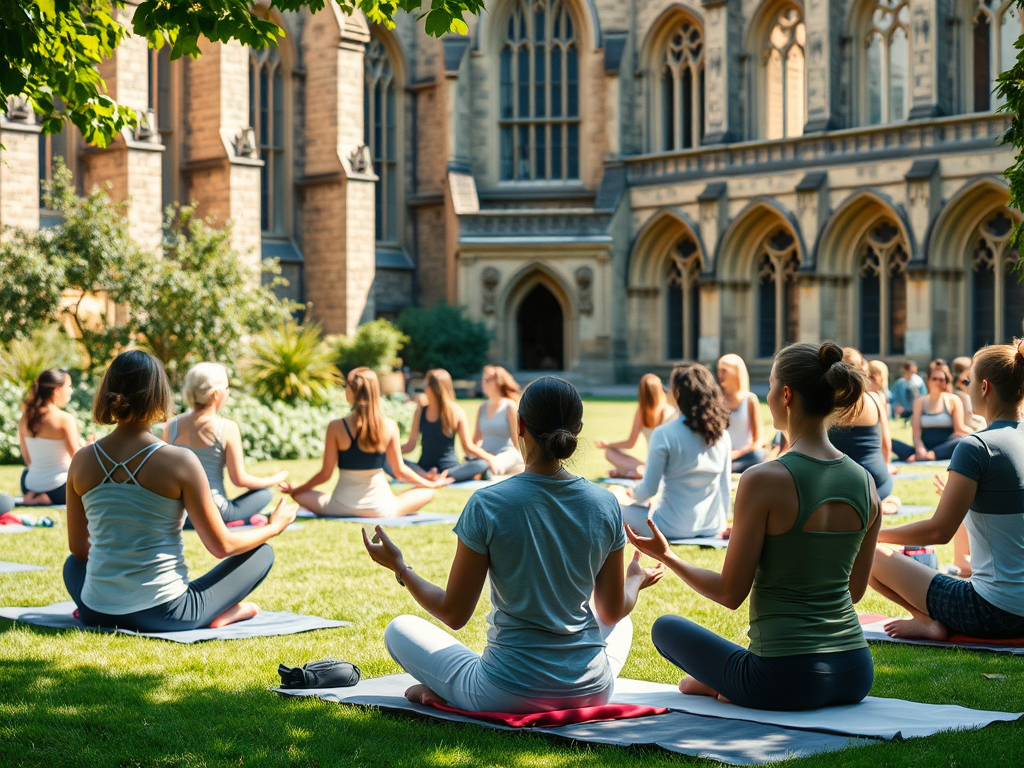
Meditation Checklist: Points to consider when looking for a meditation class or teacher.
- Spiritual or Secular? The starting point of working out which group or teacher you should follow is to ask yourself why you want to meditate? Secular meditation, including mindfulness, can offer some broad-based benefits to most practitioners, mostly linked to relaxation. However, many people come to meditation for more personal or spiritual development to increasing levels of happiness and wellbeing. Different forms of meditation can offer different benefits, so find a method that fits your goals. A small amount of initial research can save a lot of time and energy in the long run
- Don’t assume that a spiritual teacher or practice is more trustworthy than a secular equivalent. There are good and bad examples in both of these camps.
- Be cautious about claims that any meditation method is ‘scientifically validated’. There is a large amount of poor quality meditation and mindfulness research which overstates the evidence for some techniques.
- Check the Teacher Out. Recent research has demonstrated that the teacher delivering meditation training has a significant impact on the benefits and effect of the practice. Although this idea is understood in traditional (religious) meditation systems, it is often overlooked in modern secular forms. Does the teacher reflect the qualities you are looking for, do they have an ‘appropriate relationship’ with their students?
- Qualifications. A reliable meditation teacher will be happy to talk about their qualifications and experience. Feel free to ask questions such as ‘what are the benefits of this practice’, ‘what training or experience do you have’ or ‘are their any negative effects of this practice’. Typically a reliable teacher should:
- Have an extensive practical experience of the meditation they are teaching, ideally a minimum of several hundred hours.
- Be able to demonstrate a sound theoretical understanding of the meditation. They should also be able to tell you where the meditation comes from and why it is beneficial.
- The Method. Research indicates that meditation methods with an established positive track record are likely to be more reliable and effective than recently developed or combinations of different approaches. Try to avoid techniques promoted as solutions to multiple problems. Also, be wary of those offering quick transformation to altered mental states.
- Research the Group. Do a little investigation before you start. If you search online or ask in your networks, you are may find feedback from people who have had negative or positive experiences of a teacher or tradition. Try to find out something about the method you want to practice before you attend your first session.
- Set Some Goals and Targets. If you have started meditation for a specific reason, talk to your teacher about how your progress can be measured over time. Meditation always works better when it is supporting a specific goal.
- Costs and Charges. The experience and effort needed to deliver high quality meditation training, in appropriate surroundings, needs to be respected by meditation students. So students should expect to pay for tuition. However, there is often no correlation between the costs of meditation and the expertise of the teacher. If you check out several ‘reliable’ teachers in your area you’ll get a feeling of a ‘fair price’. Some spiritual groups don’t charge for meditation but there is often an expectation that students will leave a donation that covers the costs of the venue and the teacher’s time. In every instance be cautious of meditation teachers whose primary motivation is only financial profit.
- Reliability. The latest data indicates that about 8% of participants in meditation and mindfulness research experience ‘unwanted adverse effects’. These effects arise from meditation practice and range from the trivial to the very serious. This figure may be higher in some meditation groups; the truth is we just don’t know. It is therefore essential to find a ‘reliable’ meditation teacher. This teacher needs to understand the psychological impact of the method he is teaching. In this context, reliable means a teacher who is experienced and caring. This teacher should be suitably qualified and capable of reducing the risks of psychological harm to new practitioners.
These are general points and of themselves don’t guarantee that you’ll find the best teacher and group. They will however, help you avoid many of the mistakes sometimes made by people looking for a meditation group for the first time.
Good luck in your journey, and feel free to post your thoughts in the comments section below if you have any feedback.







 Mindtraining for Life
Leave a comment